
Introduction: More Than Just a Date
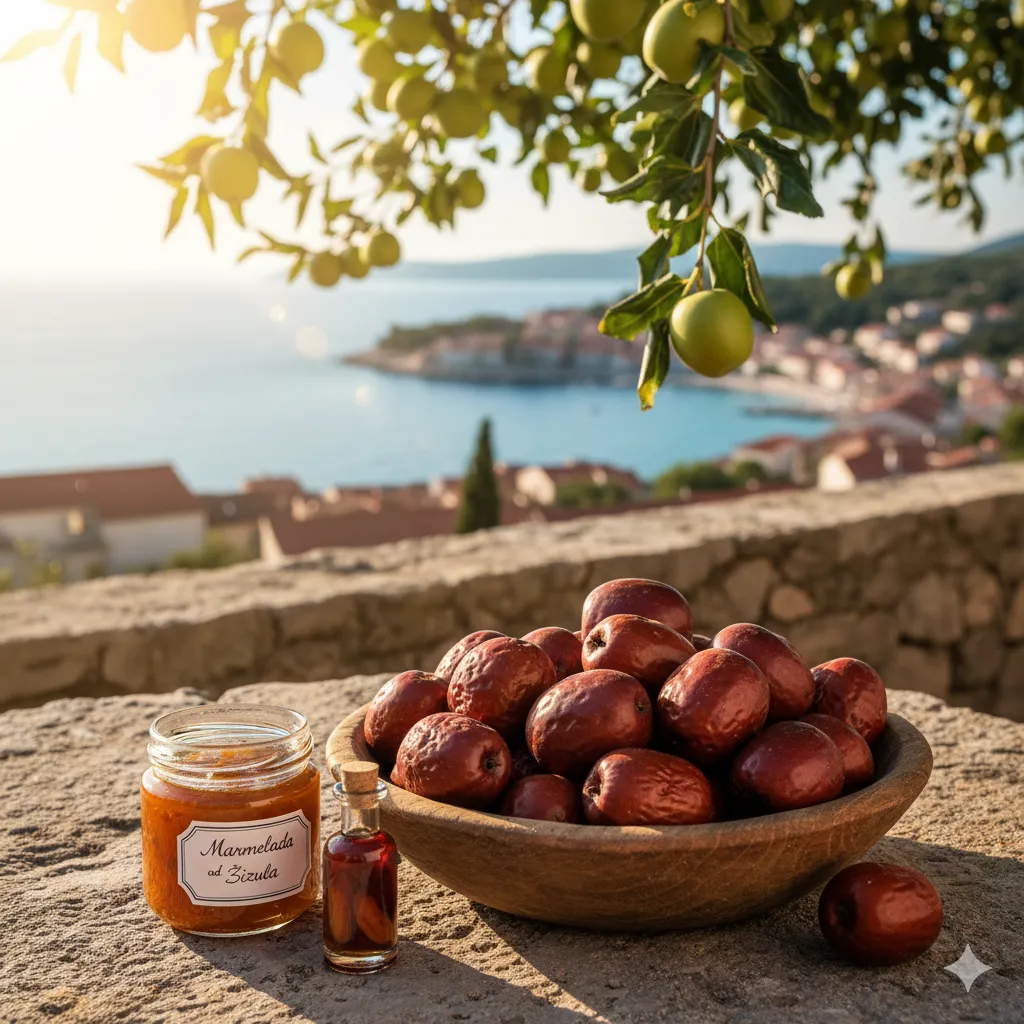
Have you ever encountered a small, reddish-brown fruit that seems to bridge the gap between an apple and a date? If you’ve spent time exploring the coastal regions of the Mediterranean, particularly in Croatia and Slovenia, you might have stumbled upon the delightful and often-understated fruit known locally as the žižole (pronounced zhee-zhoh-leh).
While its global name is the Jujube, or sometimes the Chinese date (Ziziphus jujuba), the local, affectionate term žižole captures a certain rustic charm and long history tied to the Adriatic landscape. Far from being a mere novelty, this ancient fruit is a nutritional powerhouse with roots stretching back over 4,000 years, offering a compelling blend of sweet flavour, versatile uses, and profound health benefits.
This comprehensive guide will take you on a journey to explore everything about the žižole: its cultivation, its remarkable nutritional profile, its historical and modern applications, and why this resilient little fruit deserves a permanent spot in your diet and garden. We will delve into the science and the folklore, explaining why experts and enthusiasts alike are rediscovering the power of the Jujube.
A Botanical Background: The Resilient Ziziphus jujuba
The Ziziphus jujuba tree is a member of the buckthorn family (Rhamnaceae) and is native to South Asia, particularly China, where it has been cultivated longer than almost any other fruit tree. Its journey westward is a testament to its hardiness, eventually finding a comfortable home in the arid and semi-arid climates of the Balkans and the Mediterranean, where it thrives under the hot sun.
The žižole tree is characterized by its small, dense canopy, often thorny branches, and incredible drought resistance, making it an ideal crop for challenging terrains. It’s a slow-growing, long-lived tree, with some specimens living for hundreds of years.
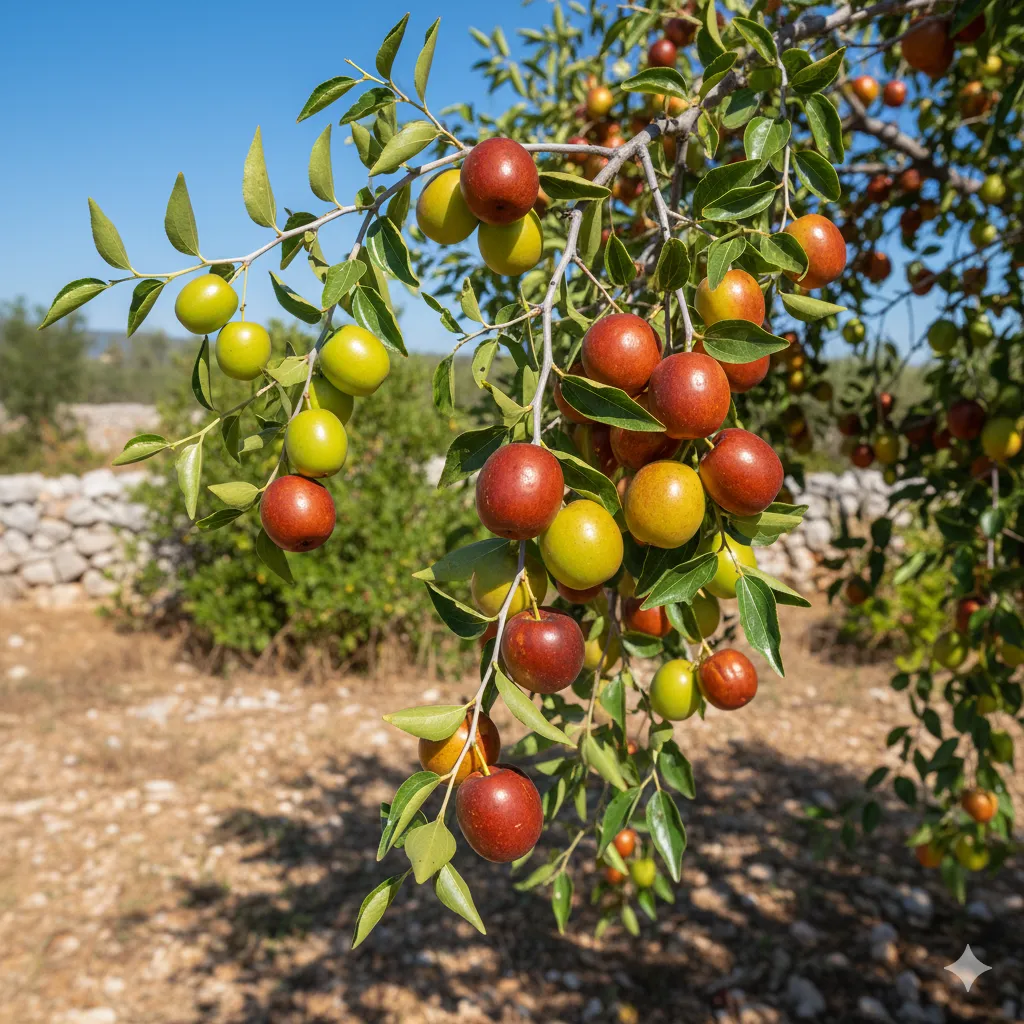
The fruit itself is an oval drupe, roughly the size of an olive. It transitions through a fascinating array of textures and flavours as it ripens:
- Green/Immature: Has the crisp, slightly tart crunch of an apple.
- Partially Ripe (Yellow-Reddish): The skin begins to wrinkle, and the flavour intensifies, becoming sweeter.
- Fully Ripe (Reddish-Brown/Wrinkled): Takes on the chewy, sugary texture and rich flavour profile of a date. This is the stage most commonly associated with the dried, preserved product.
This versatility in flavour and texture is one of the key reasons the žižole is prized in culinary traditions across the globe.
The Health Benefits of the Žižole
What truly elevates the žižole beyond a simple snack is its impressive nutritional composition. Often referred to as a “superfood” in traditional medicine systems like Traditional Chinese Medicine (TCM), the fruit is packed with vitamins, minerals, and potent antioxidants.
Key Nutritional Highlights
| Component | Significance | Benefit |
| Vitamin C | High Concentration | Powerful antioxidant; boosts immune function and collagen production. |
| Polysaccharides | Major Bioactive Compounds | Known to strengthen the immune system and possess anti-inflammatory properties. |
| Triterpenic Acids (e.g., Betulinic Acid) | Unique Phytochemicals | Potential anti-cancer and cholesterol-lowering effects (subject to ongoing research). |
| Potassium | Essential Mineral | Supports heart health, muscle function, and blood pressure regulation. |
| Saponins (e.g., Jujuboside) | Sedative Compounds | Aids in sleep quality and anxiety reduction; the primary reason it’s used as a sleep aid in TCM. |
The high fibre content in žižole also makes it excellent for digestive health, promoting regularity and helping to stabilize blood sugar levels.
A Natural Sleep Aid
Perhaps the most famous traditional use of the Jujube, particularly in its dried form, is as a natural remedy for insomnia and anxiety. The seeds, which are often used in herbal formulas, contain compounds like saponins (specifically jujubosides) that have a mild sedative effect. In TCM, the fruit is prescribed to “calm the mind” and “nourish the blood,” demonstrating its long-recognized efficacy as a gentle, non-habit-forming sleep promoter.
Cultivating the Žižole Tree
For those looking to grow their own, the žižole tree is remarkably undemanding, which adds to its appeal.
Ideal Conditions
- Sunlight: Requires full, direct sunlight for optimal fruit production.
- Soil: Tolerates a wide range of soils, including poor, sandy, and alkaline types, but prefers well-drained conditions.
- Water: Extremely drought-tolerant once established. While young trees need regular watering, mature trees can withstand long periods without rain.
- Climate: Needs hot summers to ripen the fruit fully and a period of winter chill for dormancy.
In many ways, its minimal requirements make the žižole a perfect fruit tree for sustainable and low-input agriculture. It requires little in the way of pruning or chemical treatments, producing a bounty of fruit year after year with surprising resilience.
Culinary Versatility: From Fresh Snack to Preserved Delicacy
The ways to consume the žižole reflect its complex transition from crunchy green orb to chewy red date.
Fresh Eating
When the fruit is still firm and mostly green with patches of reddish-brown, it is a wonderful, refreshing snack, offering a low-calorie, high-fibre alternative to an apple.
Dried and Preserved
This is the most common and historically significant method. The fully wrinkled, dried žižole can be eaten directly, often used as a substitute for dates or raisins in baking. In many cultures, they are boiled into a sweet tea or used in slow-cooked stews and porridges to impart a subtle sweetness and body.
In Croatian Cuisine
In its native European habitats, the žižole is a celebrated ingredient. Perhaps the most famous preparation is the žižole marmalade or jam (Marmelada od žižula). This preserve perfectly captures the sweet-tart flavour of the fruit and is a staple accompaniment to breakfast bread or cheese boards along the Dalmatian coast. The fruit is also commonly candied or distilled into a unique, aromatic liquor called rakija (often infused) or a liker (sweet liqueur).
The Enduring Cultural Significance of the Žižole
The longevity of the žižole is not just botanical; it’s cultural. Across Asia and into Europe, the fruit carries deep symbolic weight.
In China, the Jujube symbolizes wealth, good fortune, and fertility, often featuring prominently in wedding ceremonies and New Year celebrations. The deep-rooted tradition of using it in TCM means it’s viewed less as a simple fruit and more as a powerful medicinal food, a part of the daily prescription for wellness.
You May Also Like: Home Buying Tips for Single Mothers in the USA: A Complete Guide to Owning Your Dream Home
In the Mediterranean, while it may not hold the same ceremonial status, the žižole is a symbol of hardiness and the simple, enduring richness of the land. The fact that this small, resilient tree has survived millennia of cultivation, climate change, and various empires is a testament to its value and adaptability. Its continuous presence in local markets and homes ensures that the tradition of harvesting and preserving the fruit remains a living piece of regional heritage.
Conclusion: A Rediscovered Treasure
The journey to understand the žižole is one that takes us from ancient Chinese herbalists to the sunny, stone-laden fields of the Adriatic. It is a story of a modest fruit that punches far above its weight class, delivering exceptional nutritional value, significant health benefits, and a delicious, versatile flavour profile.
As consumers increasingly seek out natural, whole-food solutions for health and wellness, the žižole is perfectly positioned for a global renaissance. Whether you encounter it fresh off the tree in Croatia, dried in an herbal tea blend, or preserved in a sweet jam, take a moment to appreciate the depth of history and the powerhouse of nutrition packed into this little, rugged date. The žižole is more than just a fruit; it’s an edible piece of history, waiting to enrich your life.
FAQs
1. What is a žižole, and where does it grow?
Answer: Žižole is the local name for the Jujube fruit (Ziziphus jujuba), often called the Chinese date. It is a resilient, oval-shaped fruit native to South Asia but is widely cultivated and cherished in the hot, arid climates of the Mediterranean, particularly along the coastlines of Croatia and Slovenia.
2. What are the main health benefits of eating žižole fruit?
Answer: The main health benefits of žižole include boosting the immune system due to its high Vitamin C content, aiding digestion thanks to its high fiber, and promoting better sleep and reducing anxiety because of its natural saponins (like jujubosides), which have mild sedative effects.
3. What does žižole taste like, and how is it commonly eaten?
Answer: The flavour of žižole changes as it ripens. When slightly immature, it is crisp and tart like an apple. When fully ripe and wrinkled, it develops a sweet, chewy, and rich flavour similar to a date or a raisin. It is commonly eaten fresh, dried as a snack, or preserved in jams and liqueurs.
4. Is the žižole tree difficult to grow in a home garden?
Answer: No, the žižole tree is relatively easy to grow. It is highly valued for its resilience and low maintenance. The tree is drought-tolerant, survives in a wide variety of soils (including poor ones), and requires only full sun and a hot climate to produce fruit reliably.
5. Why is žižole called a “natural sleep aid”?
Answer: Žižole is referred to as a natural sleep aid because its seeds and fruit contain potent bioactive compounds called saponins. These compounds, particularly jujubosides, have been used for thousands of years in Traditional Chinese Medicine (TCM) to naturally calm the mind, relieve anxiety, and treat insomnia.