
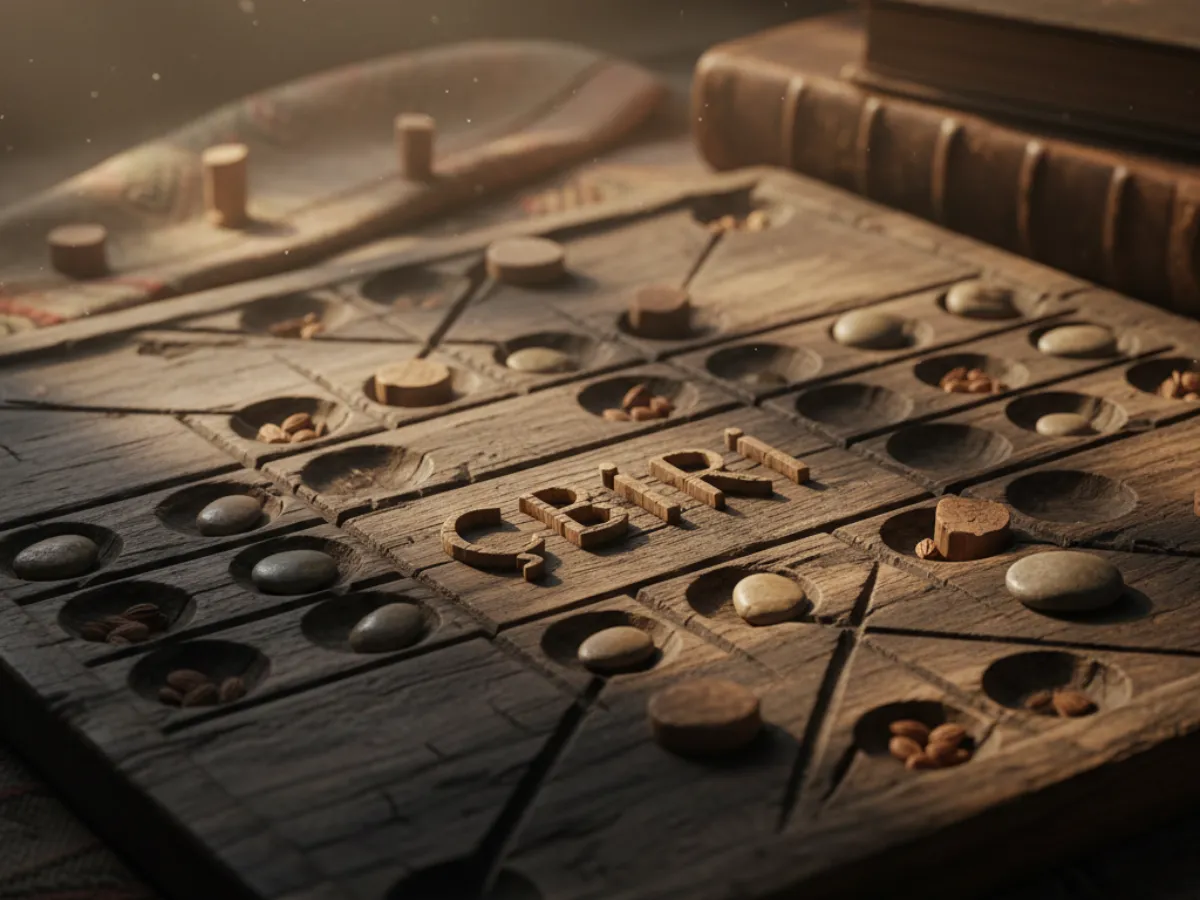
Games are timeless reflections of culture, community, and the universal human desire for challenge. While classics like Chess and Go have been preserved globally, other traditional pastimes have slowly disappeared into the shadows of history. One such intriguing term is çbiri. Surfacing in digital archives and niche discussions, çbiri is often linked to an ancient or regional board game, offering a fascinating lens into how games can bridge heritage and modern curiosity.
By piecing together available references, cultural insights, and comparisons with other traditional pastimes, we can build a compelling picture of what çbiri might represent, and why its legacy matters in today’s digital world.
Origins and Cultural Roots of Çbiri
The exact origin of çbiri is not fully documented, yet references hint at a game that was more than just simple entertainment.
A Tool for Community and Intellect
Many ancient strategy games—such as Go in East Asia or Mancala in Africa—developed not only as recreational activities but also as crucial ways to teach strategy, patience, and cultural values. Çbiri may have shared a similar purpose: a community-based activity that sharpened intellect while strengthening social ties.
The Linguistic Clue
The word itself, containing the distinct Turkish letter “ç” (pronounced “ch”), strongly suggests possible linguistic roots in Anatolia or surrounding regions. Oral traditions in these areas have long celebrated strategy games played with stones, carved boards, or wooden pieces. Çbiri could well be part of that heritage, symbolizing a localized version of a universal human practice: competing in structured ways that mirror life’s complex challenges.
Reconstructing the Gameplay Possibilities
Although the precise rules of çbiri are uncertain, surviving descriptions suggest a board game involving two or more players making strategic, calculated moves.
The game likely used simple, natural components:
- Game Pieces: Stones, dried beans, or wooden tokens.
- Game Board: A carved or etched board, or even marked spaces drawn directly in the sand.
The emphasis seems to have been less about luck (like dice) and more about foresight and decision-making.
Comparing Çbiri to Other Regional Games
To reconstruct its potential gameplay, historians often compare it with known regional traditional games:
| Comparison Game Style | Potential Çbiri Mechanism |
| Mancala-style Games | Focus on resource distribution, collection, or capturing. |
| Backgammon | Emphasizes tactical blocking and control of the board. |
| Chess / Checkers | Centers on strategic combat or capturing opponent’s pieces. |
It’s possible çbiri blended these elements into a format where each move had significant, long-term consequences. Even without the precise rules, the concept highlights humanity’s shared fascination with strategy, competition, and learning through play.
Why Traditional Games Like Çbiri Matter Today
The survival of ancient games is not just about nostalgia—it is about cultural continuity and education. Games like çbiri may appear small or obscure, but they directly reflect the values and lessons from the communities that played them.
In communities without formal schools, these games acted as powerful teaching tools. They trained:
- Cognitive Skills: Memory, focus, and abstract thinking.
- Social Skills: Negotiation, turn-taking, and problem-solving.
- Cultural Identity: They created spaces for storytelling, bonding, and defining community identity.
In today’s digital world, where online games dominate, looking back at physical, face-to-face challenges like çbiri reminds us of the simplicity and depth of engagement that can be achieved with even limited resources—just stones and a carved board.
Reimagining Çbiri for the Digital Age
The most effective way to preserve a traditional game is to bring it to a modern audience.
How Çbiri Could Be Adapted Online
A digital revival of çbiri would aim to transform the mystery into an accessible experience:
- Mobile Accessibility: A simple app recreating the board and pieces with clean, engaging graphics.
- Global Multiplayer: Options allowing people worldwide to play and compete.
- Educational Integration: Tutorials that introduce the cultural history and speculative rules alongside gameplay.
- Strategy Focus: A scoring system tied purely to strategic depth rather than chance.
The Benefits of Digital Revival
Reinvention in this way is not about commercializing the past—it’s about ensuring that heritage is not lost. By digitizing forgotten strategy games like çbiri, we keep culture alive in modern formats, preserving cultural identity for future generations and blending entertainment with education.
The Deeper Meaning of Games Like Çbiri
Games are never “just games.” They embody human philosophies—patience, resilience, and strategy. Çbiri represents a unique perspective on how its community viewed life, balance, and decision-making.
While the true details of çbiri remain partly hidden, its legacy still sparks imagination and cultural exploration. Whether it was a profound strategy board game or a simple community ritual, çbiri symbolizes the timeless human drive to play, learn, and connect.
As technology evolves, we have the tools to revive and reinterpret games that once risked being forgotten. By supporting the exploration and preservation of çbiri, we sustain not just a piece of entertainment, but a valuable piece of cultural wisdom.